



200,000+cases
Liver cancer patients treated
95%
Clinical effective treatment rate
30+years
Average clinical experience of the MDT team
* Clinical effective treatment rate: the proportion of inpatients who completed at least 95% of the planned treatment, with follow-up confirming significant improvement and an average survival extension of more than 10 months.
UNI-ASIA · MDT Team 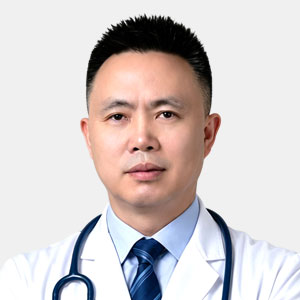
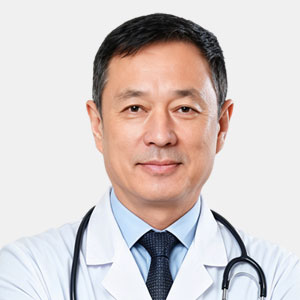
They are China’s strength at the forefront of liver cancer care
Why choose Chinese specialists? Because China has one of the world’s largest liver cancer patient populations, giving our experts exceptionally rich clinical experience.
Liao Zhengyin
Chief Physician · Professor
"Specialized in complex tumors others hesitate to treat"
Minimally invasive interventional treatments completed
10,000+ cases
Xiao Yueyong
Chief Physician · Professor
"Turning complex late-stage plans into clear treatment paths"
MDT consultation decisions participated in
8,000+ cases
At UNI-ASIA Hospital, your attending doctor is not working alone. You are supported by an anti-cancer team combining surgery, intervention, targeted therapy, and traditional Chinese medicine:
Zhang Jinshan
Professor · M.D. · Doctoral Supervisor · Chief Physician · Director of the Department of Former Radiological Diagnosis at Chinese PLA General Hospital⁽¹⁾ · Ph.D. of Medicine, Nagasaki University, Japan
He is very involved in treating tumors and blood vessel diseases, focusing on less invasive procedures for issues like liver cancer, cirrhotic portal hypertension, Budd–Chiari syndrome, narrowing and blockage of peripheral blood vessels, both benign and malignant tumors, and benign prostatic hyperplasia. He was among the first in China to perform advanced techniques such as TIPSS and B-ORTO, filling multiple domestic gaps in the field. He also pioneered temporary hepatic vein occlusion combined with hepatic arterial embolization for the treatment of liver cancer, led the development of standardized treatment protocols for liver cancer, and has made significant contributions to the advancement of interventional medicine in China.
Hu Xiaokun
Professor · M.D. · Chief Physician · Doctoral Supervisor · Postdoctoral mentor · Deputy Director of the Interventional Medicine Center of The Affiliated Hospital of Qingdao University · Director of the Qingdao Tumor Interventional Minimally Invasive Technology Innovation Center. · Visiting Scholar at Harvard Medical School, USA
Specializes in the treatment of solid tumors, including lung cancer, liver cancer, glioma, and pancreatic cancer, with a particular focus on radioactive iodine-125 seed implantation combined with multimodal ablation techniques such as microwave ablation, radiofrequency ablation, cryoablation, and irreversible electroporation (NanoKnife). Also possesses extensive experience in the management of non-neoplastic diseases, particularly vertebroplasty and minimally invasive treatments for intervertebral disc disorders.
Luo Xiaoping
Associate Professor · M.D. · Chief Physician · Master’s Supervisor · Group Leader of the Group of Intervention of Radiological Diagnosis in The Second Affiliated Hospital Of Chongqing Medical University · Member of the Expert Panel for the Medical Quality Control Center
Expertise in precision vascular interventional oncology procedures, (TACE for hepatocellular carcinoma), TIPS, interventional management of Budd–Chiari syndrome, biliary stent placement, and emergency embolization for acute bleeding.
Li Zhiping
Professor · M.D. · Chief Physician · Doctoral Supervisor · Director of the Discipline of Abdominal tumors,West China Hospital(1) · Expert in the Promotion of Precision Radiotherapy Technology in China
Professor Li Zhiping is especially adept at the radiation therapy and chemotherapy of esophageal cancer, gastric cancer, colon cancer, and rectal cancer; the radiation therapy and chemotherapy for the urogenital system tumors of both male and female; the targeted therapy and immunotherapy for the abdominal tumor molecules. Meanwhile, Prof. Li is proficient in the application of new radiation therapy technologies including 3D conformal radiotherapy, intensity-modulated radiotherapy (IMRT), imaging-guided radiation therapy (IGRT), stereotactic radiotherapy (X-knife), image fusion technology, and respiratory gating technology in the treatment of abdominal tumors; meanwhile covering the radiation therapy and chemotherapy of head and neck tumors and breast cancer. Also, Prof. Li has had abundant treatment experience of uncommon and rare cases of tumors.
He Weibing
Associate Chief Physician · Director of the International Campus, Uni-Asia Cancer Hospital, Chengdu
Proficient in NanoKnife and argon-helium tumor ablation techniques, with extensive clinical experience in minimally invasive treatment of liver, lung, kidney, and pelvic tumors. He is especially skilled in ablation therapy for common malignant tumors such as liver, lung, and retroperitoneal tumors, combined with interstitial brachytherapy using iodine-125 seed implantation.
Zhang Junxi
Associate Chief Physician · Vice President of the Zigong Campus of Uni-Asia Hospital (Zigong High-Tech Oncology Hospital) and Director of Ward I
Proficient in the full range of tumor ablation techniques, including chemical ablation, radiofrequency ablation, microwave ablation, argon-helium cryoablation, and NanoKnife ablation. He specializes in intravascular and non-vascular interventional treatment for solid tumors such as liver cancer, lung cancer, and pancreatic cancer.
Wu Chaobo
M.Med. · Associate Chief Physician
Proficient in minimally invasive techniques including microwave ablation, cryoablation, radiofrequency ablation, and iodine-125 seed implantation. He has extensive experience in the treatment of various solid tumors, including liver cancer, lung cancer, pancreatic cancer, and breast cancer. He is especially skilled in combining ablation with seed implantation to achieve precise local treatment with minimal trauma and faster recovery.
Bai Xing
M.Med. · Associate Chief Physician
Skilled in the essentials of standardized oncology diagnosis and treatment as well as precision therapy. Proficient in flexibly applying advanced minimally invasive techniques including microwave ablation, radiofrequency ablation, argon-helium cryoablation, and interventional infusion embolization. He has also accumulated extensive experience in treating benign and malignant conditions such as uterine fibroids, liver/kidney/ovarian cysts, hemangiomas, and various types of cancer pain.
Guo Donghua
Associate Chief Physician
Dr. Guo is proficient in both vascular and non-vascular minimally invasive interventional techniques. He specializes in transarterial chemoembolization (TACE) and continuous arterial chemotherapy infusion, and is highly skilled in core techniques such as iodine-125 seed implantation, radiofrequency ablation, microwave ablation, and cryoablation. He is also able to perform stent implantation, PTCD, bone cementoplasty, puncture biopsy, and other procedures. Focusing on individualized comprehensive treatment combining interventional therapy, targeted therapy, and immunotherapy for solid tumors such as liver cancer and lung cancer, he has extensive experience in minimally invasive treatment for middle- and late-stage tumors, as well as in managing complications and critical conditions, providing patients with safe, precise, and efficient minimally invasive diagnosis and treatment plans.
"From despair to renewed life" - hear their stories
“
Mr. Wang from Vietnam
was diagnosed with liver cancer at the end of 2022
After three years of visiting multiple hospitals, he was told that treatment hope was fading
He finally came to UNI-ASIA Hospital, where Dr. Liao performed three minimally invasive interventional treatments
Today, clinical assessment shows he has reached a state of clinical cure
He has returned to the orchard he loves and is enjoying his later years
”
They also once felt desperate, until they came to UNI-ASIA Hospital
Mr.Wang · Liver Cancer
A 71-year-old Chinese patient was diagnosed with liver cancer. Because the tumor was adjacent to major blood vessels and the patient was elderly and physically weak, he visited multiple hospitals over three years and was repeatedly told that surgery was not possible and that he could not tolerate chemotherapy. No effective treatment options remained. After being referred to Uni-Asia Cancer Hospital, he underwent three sessions of transarterial chemoembolization (TACE). He recovered smoothly after the procedures, and follow-up examinations showed that the tumor had almost disappeared, achieving clinical cure. He has now returned to his orchard and resumed normal life.
Liu Heyi · Liver Cancer
A Chinese patient was diagnosed with liver cancer accompanied by severe bile duct obstruction, severe systemic jaundice, and a weight loss of nearly 15 kg within one month. His bilirubin level was as high as 257.50 umol/L. Because the tumor was adjacent to major blood vessels, several hospitals assessed that surgical resection would carry an excessively high risk. After being referred to UNI-ASIA Cancer Hospital, he underwent two interventional treatments. He recovered quickly after the procedures, was able to get out of bed the next day, his jaundice subsided, his weight stabilized, and he has now returned to normal life.
Xiao Li · Liver Cancer
A 9-year-old Chinese girl was diagnosed with a massive tumor in the second hepatic portal region of the liver. Due to its proximity to major blood vessels, multiple hospitals deemed it inoperable. Her family then brought her to Chengdu Uni-Asia Hospital, where Professor Liao Zhengyin's team, after multidisciplinary discussion, formulated a precise, minimally invasive interventional treatment plan and successfully performed the procedure. The patient adhered to regular follow-ups as advised. Imaging surveillance showed complete tumor regression, with no recurrence for 17 consecutive years and all parameters remaining normal. Today, she has graduated with honors as an outstanding university student and is now working professionally, enjoying a long-term, high-quality life.
Professor Zhu · Liver Cancer
70 years old, retired professor from the University of Geosciences, with a 35-year history of hepatitis B. In May 2025, he was diagnosed with a massive hepatocellular carcinoma in the left lobe of the liver, measuring 12 cm in diameter, accompanied by ascites, moderate anemia, and severe liver dysfunction. After being transferred to Chengdu UNI-ASIA Hospital, Professor Liao Zhengyin’s team performed hepatic arterial angiography with infusion and embolization therapy in two sessions. Two months later, follow-up examination showed that the tumor had shrunk to 6 cm, the ascites had significantly subsided, and liver function had markedly recovered. He has now returned to normal life.
Wang Xiulan · Liver Cancer
Chinese female patient, 41 years old, with a solitary large mass of hepatocellular carcinoma in the right lobe of the liver. The tumor compressed the bile duct, causing severe jaundice. Due to the tumor's large size and unfavorable location, surgical resection was not possible. The patient had previously undergone radiotherapy and chemotherapy at another hospital, but with poor response and severe toxic side effects, including nausea, vomiting, and bone marrow suppression, making further treatment impossible. A multidisciplinary team (MDT) at Chengdu Uni-Asia Cancer Hospital conducted a consultation and performed two sessions of hepatic arterial interventional therapy after the referral. The patient recovered rapidly post-surgery, jaundice subsided, and pre- and post-treatment CT comparisons showed tumor volume reduced by over 70% with loss of viability. The patient has regained the ability to live independently and returned to her daily family life.
Grandma Jia · Liver Cancer
Chinese national, 78-year-old female, diagnosed with hilar cholangiocarcinoma presenting with systemic jaundice. After undergoing PTCD drainage at an outside hospital, her jaundice temporarily improved. However, due to the tumor's challenging location and her advanced age, surgery, radiotherapy, and chemotherapy were not feasible. After referral to Chengdu Uni-Asia Cancer Hospital, a multidisciplinary team developed an individualized interventional plan, and she underwent two sessions of transarterial chemoembolization (TACE). Post-treatment, the tumor significantly shrank, bile drainage was restored, her stool color returned from clay-white to normal yellow, her appetite recovered, her mental status markedly improved, the drainage tube was removed, and she returned to a peaceful, later-life routine.
Catia · Liver Cancer
A 42-year-old Filipino patient was diagnosed with primary liver cancer with intrahepatic metastases and a tumor thrombus in the inferior vena cava (stage IV), and had lost the opportunity for surgical resection. He was referred to Chengdu Uni-Asia Hospital through an international referral center. Professor Luo Xiaoping’s team first performed biliary drainage to relieve jaundice, and after his condition stabilized, carried out hepatic arterial infusion chemotherapy and embolization to control the tumor. After the procedure, his abdominal distension was significantly relieved; he was able to get out of bed the next day and was successfully discharged to return home.
Akun · Liver Cancer
A Chinese patient was diagnosed with liver cancer accompanied by metastasis to the C3 cervical vertebra and a pathological fracture. On admission, he had severe neck pain and markedly limited movement. The Uni-Asia team first performed cervical vertebroplasty to stabilize the vertebra and relieve pain, and on the following day performed transarterial chemoembolization of the hepatic artery to control the intrahepatic tumor. After surgery, his pain was significantly relieved; he was able to get out of his wheelchair and walk, and he was in good spirits at discharge.
UNI-ASIA Hospital · Minimally Invasive Liver Cancer Treatment System
Based on tumor stage, liver function reserve, and overall health, we create a personalized treatment plan instead of a one-size-fits-all approach.
No open surgery, targeted tumor control, and less damage to normal liver tissue, helping many mid- to late-stage patients gain new treatment opportunities.
Traditional treatment
Tumors over 5 cm or multiple tumors are often considered unsuitable for surgery
Larger wounds and higher bleeding risk
Average hospital stay of 10-14 days
Greater burden, especially for patients with cirrhosis or weak physical condition
Normal life may take 1-3 months to resume
Minimally invasive technology
Over 90% of patients may gain downstaging opportunities through intervention plus ablation
Only needle-sized punctures, with no open incision or sutures required
Hospital stay of 3-5 days, with major lesion management often completed in one treatment
Minimal trauma, precisely acting on liver tumor lesions
Return to normal life and diet in about 3-7 days
Patient benefits
Renewed treatment hope
Less pain and faster recovery
Saves time and energy, with better overall care value
Maximizes preservation of normal liver tissue and liver function
Significantly improves postoperative quality of life
Without open surgery, tumors can still be precisely targeted through China’s leading minimally invasive combinations:

Transarterial Chemoembolization (TACE)
It is primarily used for the palliative treatment of intermediate to advanced-stage primary liver cancer, liver metastases, and hypervascular tumors in areas such as the head, neck, and lungs. It can also be used as postoperative adjuvant chemotherapy to help reduce the risk of local recurrence.

NanoKnife Ablation Technology
It is primarily indicated for solid tumors located in anatomically complex regions adjacent to major blood vessels, bile ducts, pancreatic ducts, the intestines, or nerves—such as locally advanced pancreatic cancer, hilar hepatic tumors, renal hilar tumors, and prostate cancer. This technique offers a safe and effective option for curative or cytoreductive treatment in patients with unresectable lesions or tumors unsuitable for conventional thermal ablation.

Iodine-125 Seed Implantation Technology
It is primarily indicated for solid tumors that are unresectable, recurrent, or metastatic after radiotherapy and chemotherapy, including primary liver cancer, non-small cell lung cancer, prostate cancer, and pancreatic cancer, as well as recurrent or metastatic tumors of the head and neck and pelvic regions.

Argon-Helium Knife Ablation Therapy
It is widely used in the treatment of liver cancer, lung cancer, renal cancer, as well as bone and soft tissue tumors. The technique is particularly suitable for lesions adjacent to the thoracic or abdominal wall, adrenal glands, and multiple metastatic tumors, making it an important component of the minimally invasive ablation system for solid tumors.

Radiofrequency Ablation Therapy
It is indicated for solid tumors such as solitary or multiple liver cancers and liver metastases measuring ≤5 cm in diameter, primary and metastatic lung cancers, renal cancers, and osteoid osteomas. For unresectable or recurrent tumors, it can also serve as an important palliative cytoreductive strategy to prolong survival.

Microwave Ablation Therapy
It is widely used in the treatment of liver cancer, liver metastases, lung cancer, adrenal tumors, and other solid malignancies. The technique is particularly advantageous for hypervascular tumors larger than 3 cm in diameter or those located adjacent to major blood vessels. It is also commonly combined with vascular interventional therapies and immunotherapy to achieve enhanced therapeutic outcomes.

Stent Placement
It is widely used for the palliative treatment of malignant luminal obstructions, including dysphagia caused by esophageal cancer, obstructive jaundice due to malignant biliary obstruction, dyspnea resulting from tracheal stenosis, malignant colorectal obstruction, and superior vena cava syndrome.

Percutaneous Vertebroplasty
It is a cornerstone approach for maintaining spinal stability and improving quality of life in various conditions, including vertebral metastases, multiple myeloma with vertebral involvement, aggressive vertebral hemangiomas, and painful osteoporotic vertebral compression fractures.

Chemotherapy combined with Targeted Therapy and Immunotherapy
It is widely used across various common solid tumors—including non-small cell lung cancer, hepatocellular carcinoma, esophageal cancer, gastric cancer, colorectal cancer, and breast cancer—in the first-line, adjuvant, and neoadjuvant settings, consistently improving survival and quality of life.

High-Intensity Focused Ultrasound
Primarily indicated for benign and malignant solid tumours such as uterine fibroids, adenomyosis, bone metastases and fibroadenomas of the breast. It is particularly suitable for patients unsuitable for surgery or those with a strong desire to preserve organ function, and has been extended to palliative debulking of solid tumours such as pancreatic cancer and prostate cancer.

Drug-loaded microsphere embolisation
Primarily used for the interventional treatment of well-vascularised tumours, such as mid- to late-stage primary liver cancer and liver metastases from colorectal cancer. It is often combined with ablation, targeted therapy and immunotherapy to improve local control rates and prolong patient survival.

Radioactive Microsphere Embolisation
Primarily indicated for primary liver cancer and liver metastases that cannot be surgically resected, particularly in patients with portal vein tumour thrombi, poor hepatic reserve, or those unresponsive to chemotherapy. This approach can significantly prolong survival and improve quality of life.
Focus on recovery. We handle the rest.
Cross-border medical care does not have to be difficult. We provide full-process support that feels like home:

Create Medical File
Submit your basic information, medical history, examination reports, and other materials to create a health record.

Online Consultation
Meet specialists online for an assessment of your condition.

Receive Treatment Plan
A personalized treatment plan is developed based on the diagnosis.

Appointment Booking
Confirm the consultation time and receive fast, priority scheduling support.

Pre-Travel Assistance
Receive a medical invitation letter and confirm the documents and medical records required before travel.

Treatment
Complete treatment according to the diagnosis and treatment plan.

Dedicated Care
Receive attentive medical nursing and concierge-style service.

Health Guidance
Receive post-treatment rehabilitation guidance and a health plan.

Settlement and Discharge
We assist with payment settlement and insurance claim documents.

Remote Follow-Up
After discharge, remote consultation, follow-up, and revisit support remain available.
Choose UNI-ASIA for a simpler, smoother journey:
Visa support
Our professional team helps you obtain a medical visa as quickly as possible
Language support
Your dedicated interpreter accompanies you through consultations like family
Dietary care
Customized meals are available for different cultural and religious needs
Transparent fees
No hidden charges; every cost is used where treatment needs it
Convenient location
Direct flights from major Southeast Asian cities to Chengdu take only 3-5 hours
For liver cancer treatment, time is life
Tumors grow every day. Waiting only lets opportunities slip away.
Contact us now, and our expert team will provide an initial treatment suggestion within 24 hours.
Submit medical records
Expert preliminary assessment
Book video consultation
Create treatment plan
Consult now for a free assessment
Submit basic information through the form
WhatsApp dedicated hotline
Fast online consultation
Avoid exhausting cross-border hospital-hopping. Submit relevant reports and records online to book a video consultation in advance, where tumor specialists provide a professional preliminary evaluation.
No need to buy flights in advance, and no need to bear any upfront cost.