

Cancer Treatment Center
Powered by China's top expert team, precisely safeguarding life
At the UNI-ASIA Hospital Cancer Center, your cancer-fighting journey is guided by a national-level expert team representing the forefront of minimally invasive and comprehensive oncology treatment in China. They transform the multidisciplinary treatment (MDT) model into a truly patient-centered intelligent decision-making system. What you receive is never the isolated judgment of a single doctor, but the joint review of an authoritative think tank, ensuring every step of treatment stands up to careful scrutiny.
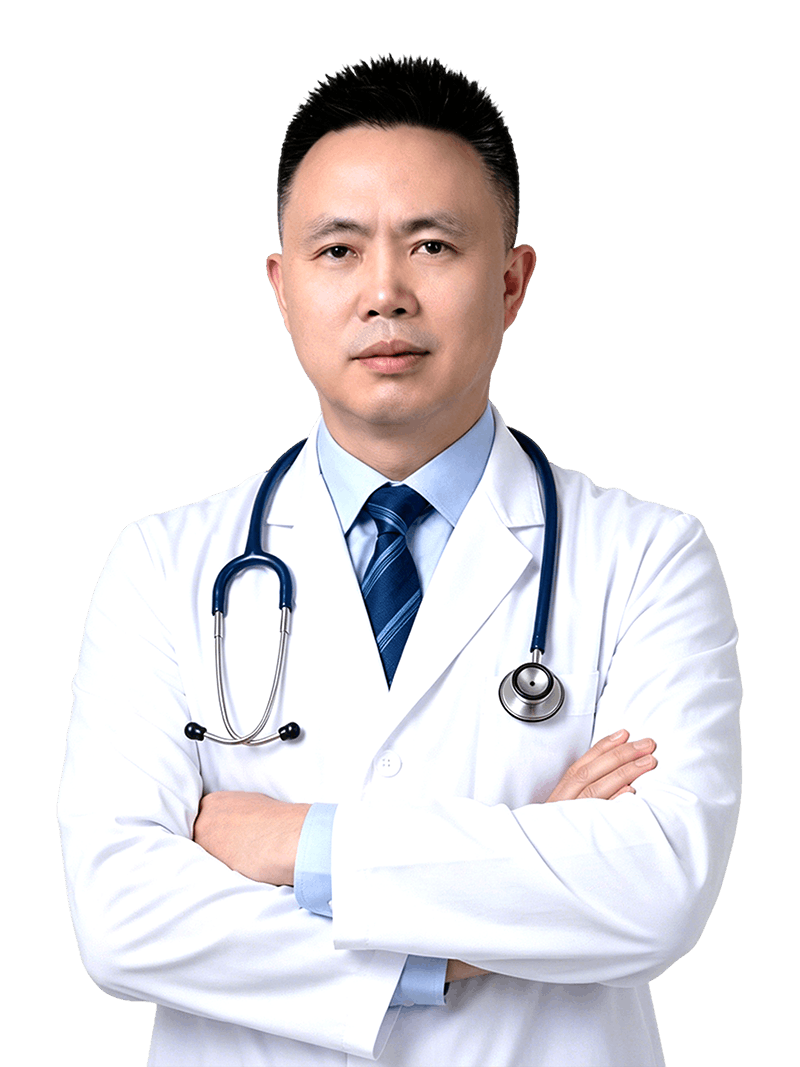
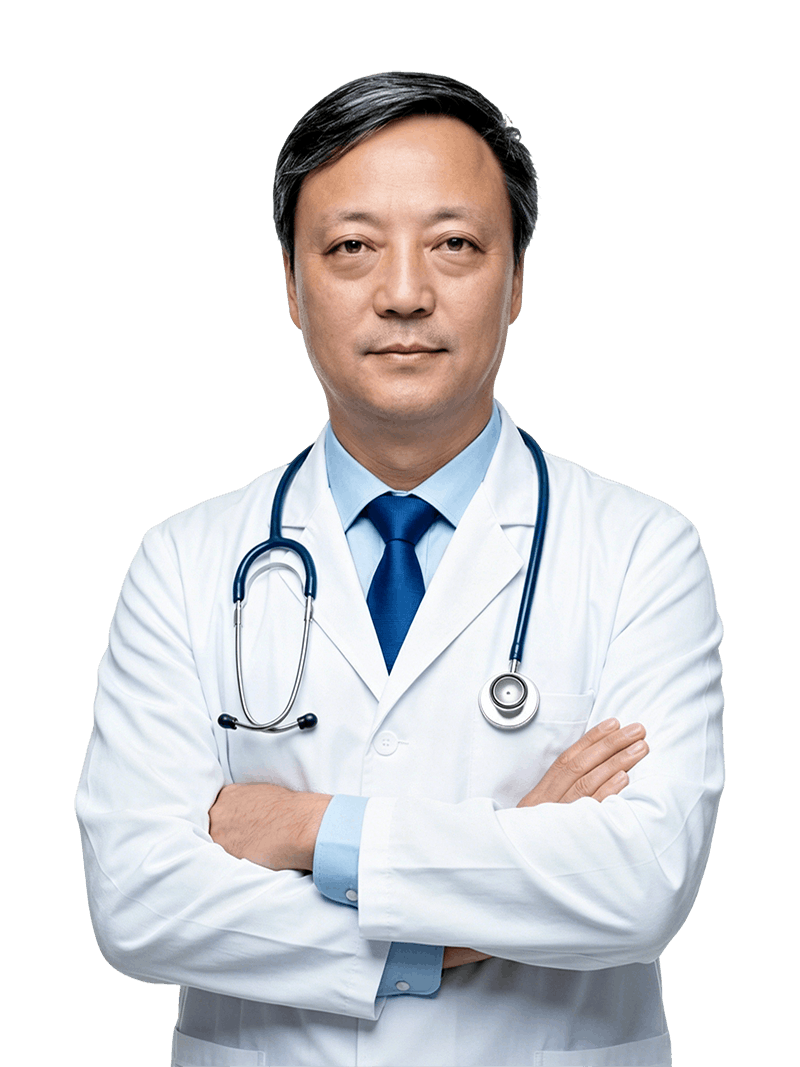
This team is composed of widely recognized leaders in cancer treatment in China, including Prof. Liao Zhengyin, Prof. Zhang Jinshan, Prof. Xiao Yueyong, and Prof. Luo Xiaoping. Drawing on decades of deep clinical experience in their respective fields, they shape a precise "one patient, one plan" strategy dedicated to you. We integrate minimally invasive technologies and precision medicine throughout the entire treatment process, maximizing tumor control while doing everything possible to preserve your physical function and quality of life, so efficacy and dignity remain together.
From treatment planning to rehabilitation and return to daily life, the expert team accompanies you throughout the process, never leaving you to face cancer alone. UNI-ASIA's commitment is clear: to deliver precise treatment with warmth and dignity, supported by international-standard safety assurance. Choosing UNI-ASIA means choosing one of China's strongest oncology teams as your most dependable support on the road against cancer.
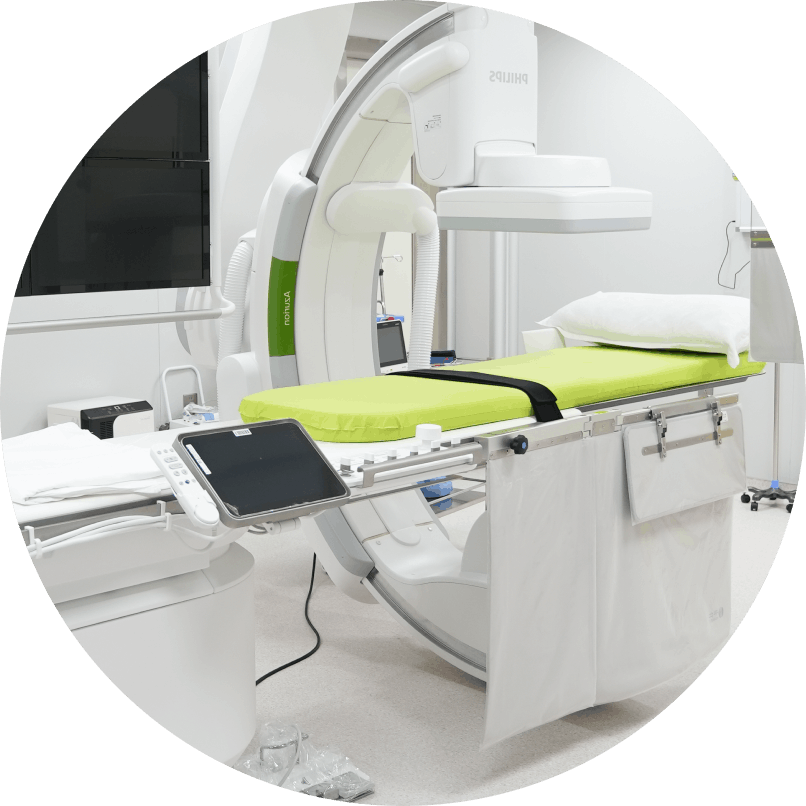
Our Core Technologies
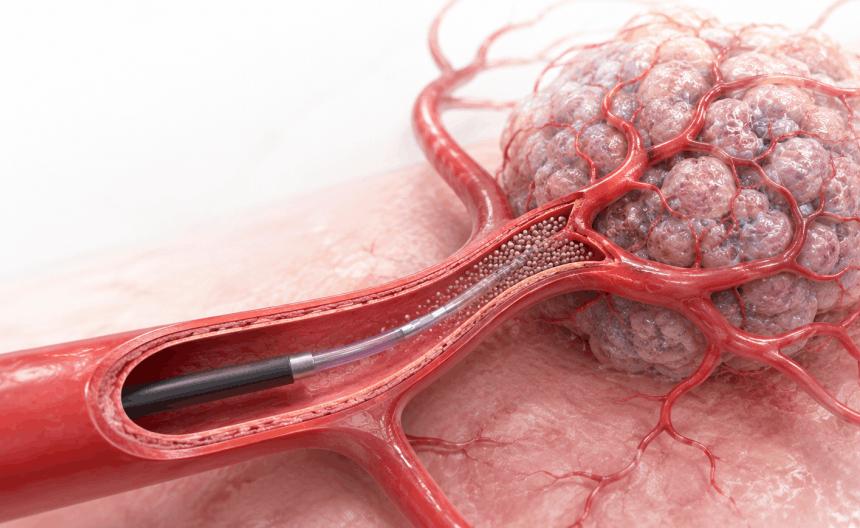
Transarterial Chemoembolization (TACE)
It is primarily used for the palliative treatment of intermediate to advanced-stage primary liver cancer, liver metastases, and hypervascular tumors in areas such as the head, neck, and lungs. It can also be used as postoperative adjuvant chemotherapy to help reduce the risk of local recurrence.
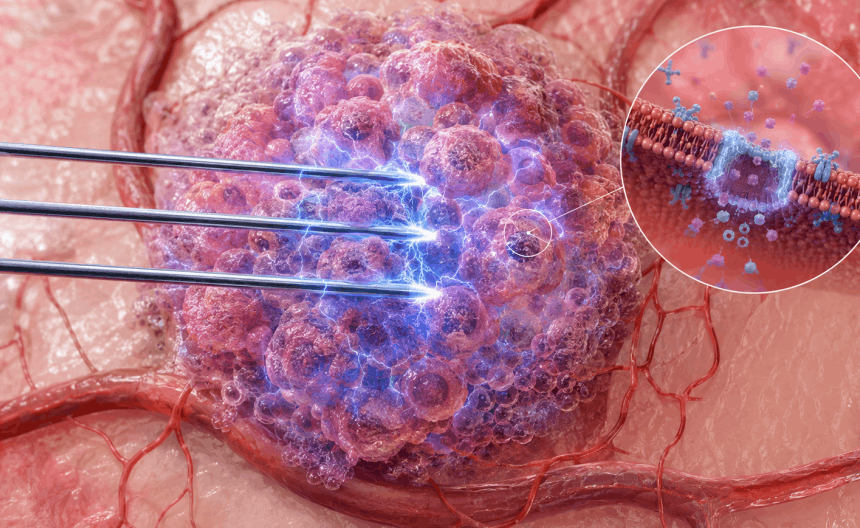
NanoKnife Ablation Technology
It is primarily indicated for solid tumors located in anatomically complex regions adjacent to major blood vessels, bile ducts, pancreatic ducts, the intestines, or nerves—such as locally advanced pancreatic cancer, hilar hepatic tumors, renal hilar tumors, and prostate cancer. This technique offers a safe and effective option for curative or cytoreductive treatment in patients with unresectable lesions or tumors unsuitable for conventional thermal ablation.
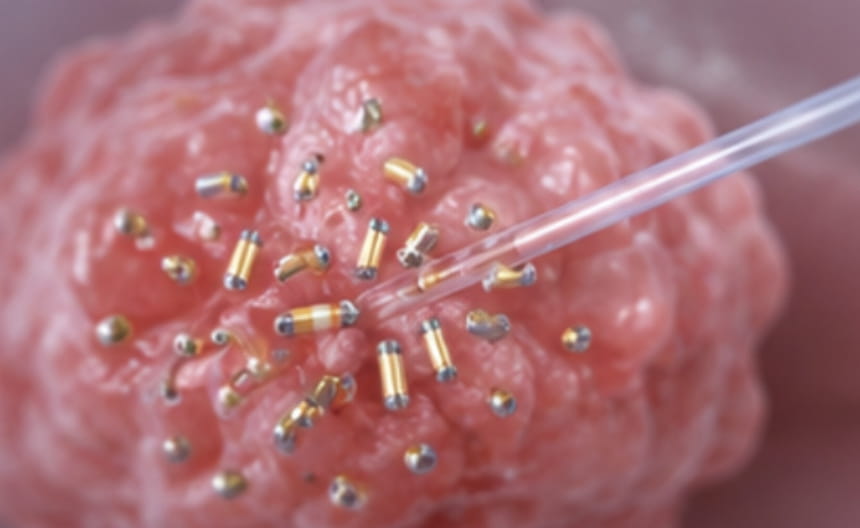
Iodine-125 Seed Implantation Technology
It is primarily indicated for solid tumors that are unresectable, recurrent, or metastatic after radiotherapy and chemotherapy, including primary liver cancer, non-small cell lung cancer, prostate cancer, and pancreatic cancer, as well as recurrent or metastatic tumors of the head and neck and pelvic regions.
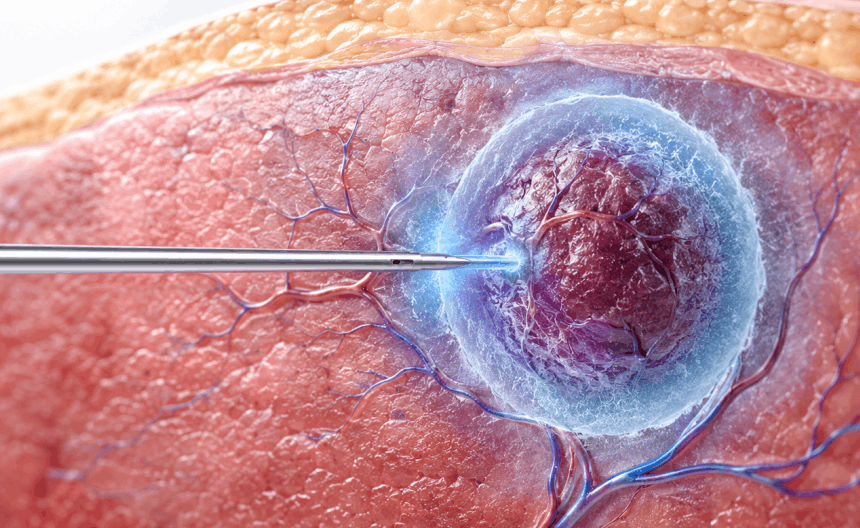
Argon-Helium Knife Ablation Therapy
It is widely used in the treatment of liver cancer, lung cancer, renal cancer, as well as bone and soft tissue tumors. The technique is particularly suitable for lesions adjacent to the thoracic or abdominal wall, adrenal glands, and multiple metastatic tumors, making it an important component of the minimally invasive ablation system for solid tumors.
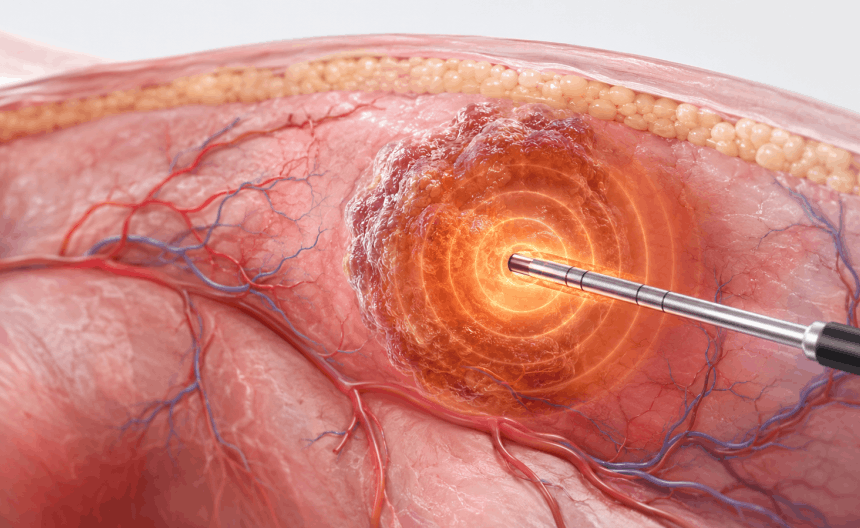
Radiofrequency Ablation Therapy
It is indicated for solid tumors such as solitary or multiple liver cancers and liver metastases measuring ≤5 cm in diameter, primary and metastatic lung cancers, renal cancers, and osteoid osteomas. For unresectable or recurrent tumors, it can also serve as an important palliative cytoreductive strategy to prolong survival.
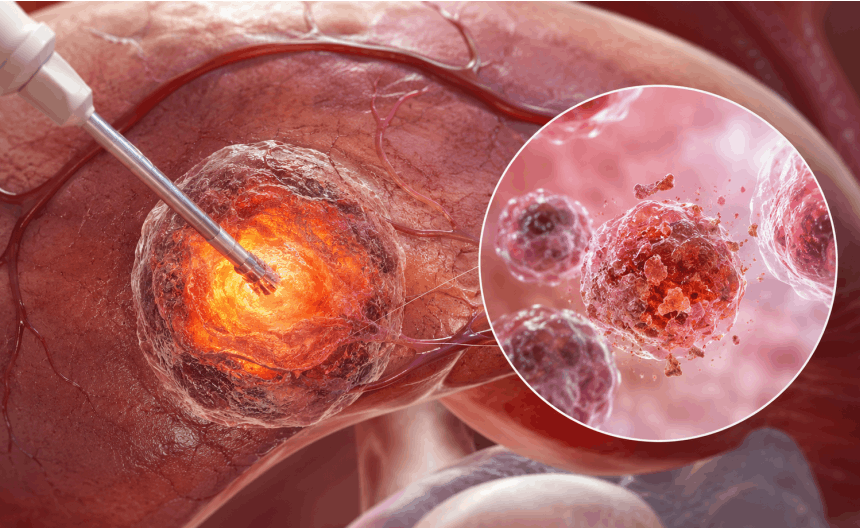
Microwave Ablation Therapy
It is widely used in the treatment of liver cancer, liver metastases, lung cancer, adrenal tumors, and other solid malignancies. The technique is particularly advantageous for hypervascular tumors larger than 3 cm in diameter or those located adjacent to major blood vessels. It is also commonly combined with vascular interventional therapies and immunotherapy to achieve enhanced therapeutic outcomes.
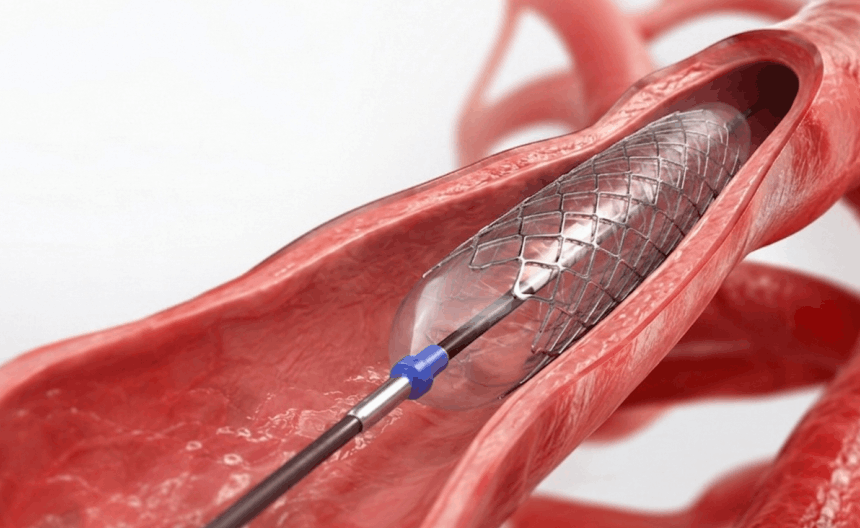
Stent Placement
It is widely used for the palliative treatment of malignant luminal obstructions, including dysphagia caused by esophageal cancer, obstructive jaundice due to malignant biliary obstruction, dyspnea resulting from tracheal stenosis, malignant colorectal obstruction, and superior vena cava syndrome.
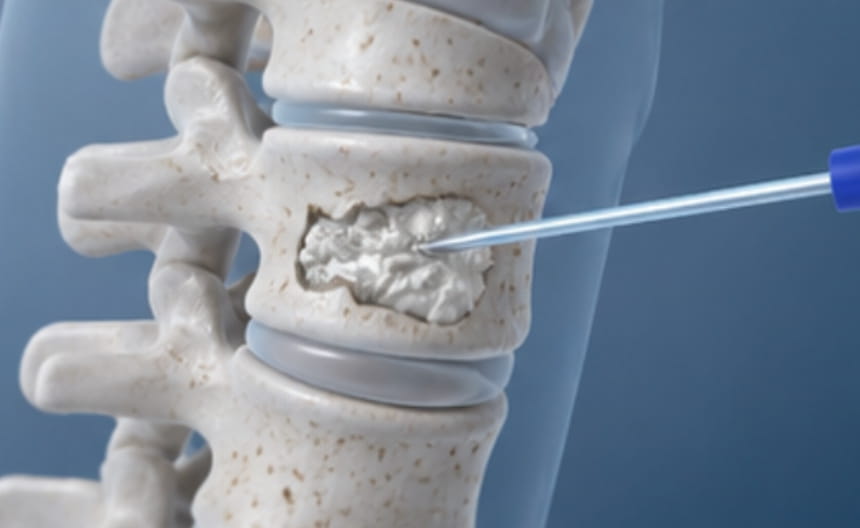
Percutaneous Vertebroplasty
It is a cornerstone approach for maintaining spinal stability and improving quality of life in various conditions, including vertebral metastases, multiple myeloma with vertebral involvement, aggressive vertebral hemangiomas, and painful osteoporotic vertebral compression fractures.
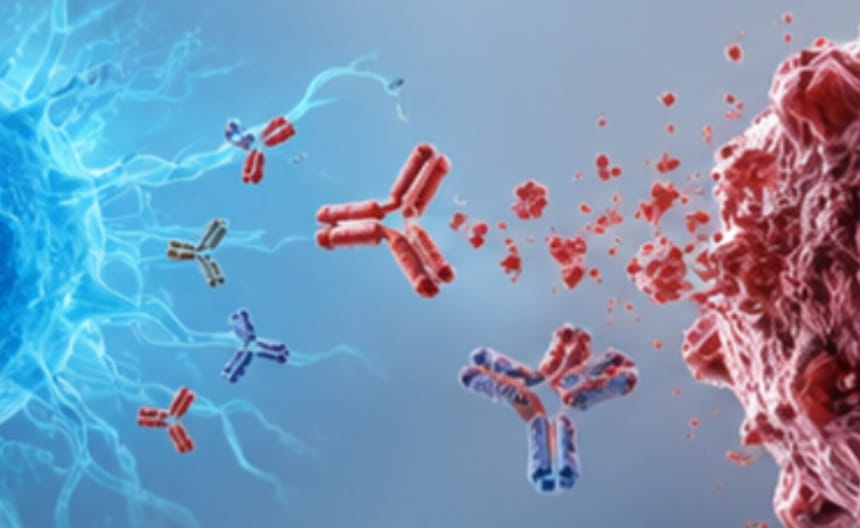
Chemotherapy combined with Targeted Therapy and Immunotherapy
It is widely used across various common solid tumors—including non-small cell lung cancer, hepatocellular carcinoma, esophageal cancer, gastric cancer, colorectal cancer, and breast cancer—in the first-line, adjuvant, and neoadjuvant settings, consistently improving survival and quality of life.
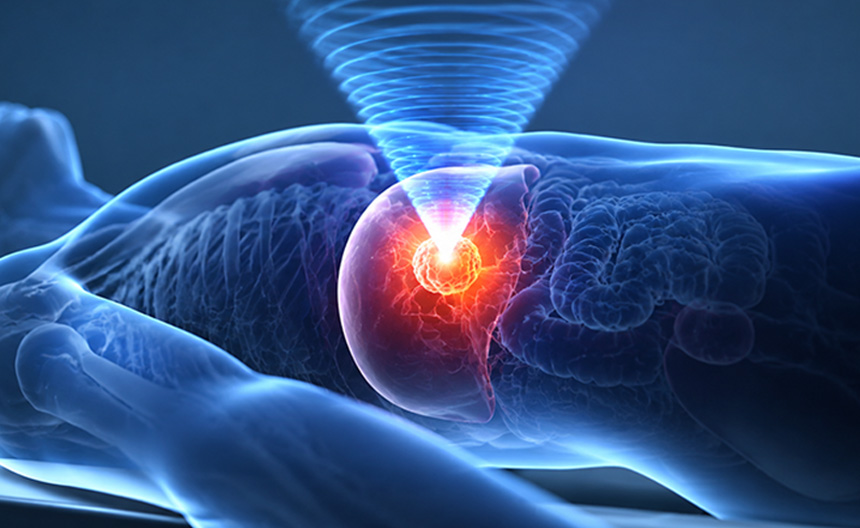
High-Intensity Focused Ultrasound
Primarily indicated for benign and malignant solid tumours such as uterine fibroids, adenomyosis, bone metastases and fibroadenomas of the breast. It is particularly suitable for patients unsuitable for surgery or those with a strong desire to preserve organ function, and has been extended to palliative debulking of solid tumours such as pancreatic cancer and prostate cancer.
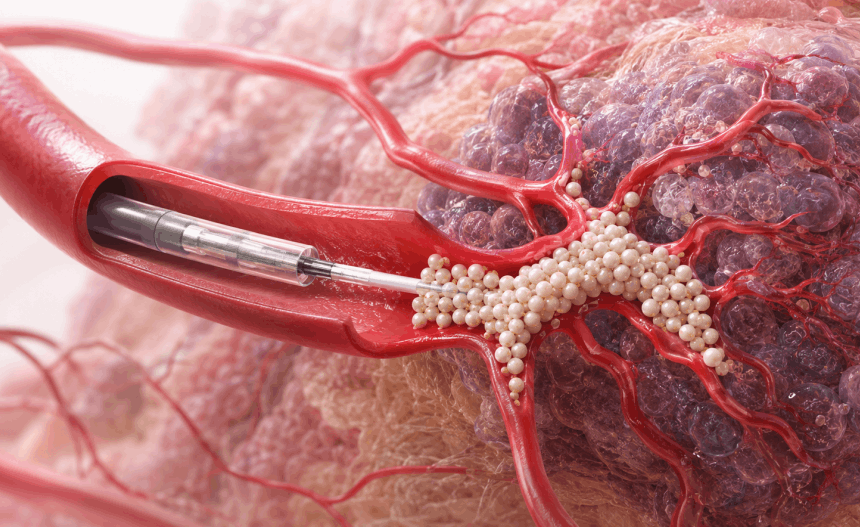
Drug-loaded microsphere embolisation
Primarily used for the interventional treatment of well-vascularised tumours, such as mid- to late-stage primary liver cancer and liver metastases from colorectal cancer. It is often combined with ablation, targeted therapy and immunotherapy to improve local control rates and prolong patient survival.
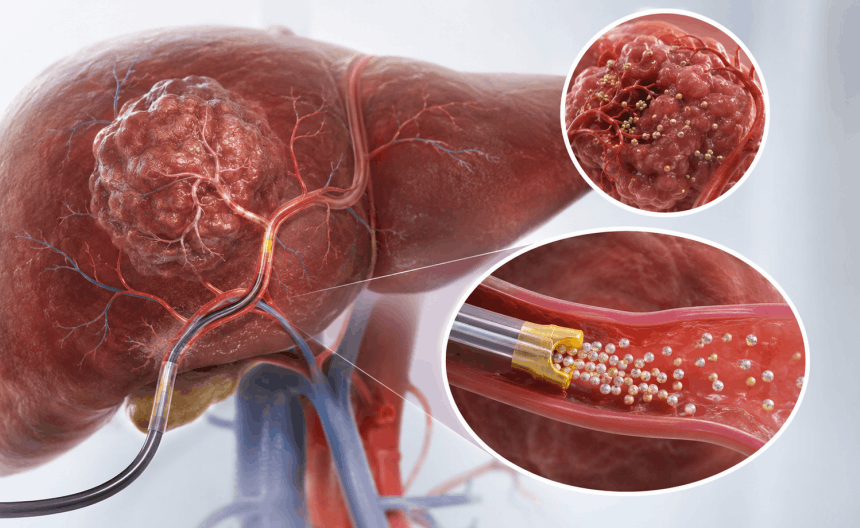
Radioactive Microsphere Embolisation
Primarily indicated for primary liver cancer and liver metastases that cannot be surgically resected, particularly in patients with portal vein tumour thrombi, poor hepatic reserve, or those unresponsive to chemotherapy. This approach can significantly prolong survival and improve quality of life.
Advanced Equipment
To help patients achieve better treatment outcomes, the hospital has invested in a wide range of advanced medical equipment, including high-end GE color ultrasound systems for interventional procedures, microwave ablation systems, fully automated biochemical analyzers, fully automated hematology analyzers, pulmonary function testing systems, anesthesia equipment, and ECG monitoring systems. These technologies support precise diagnosis and efficient treatment, helping patients access leading medical services.
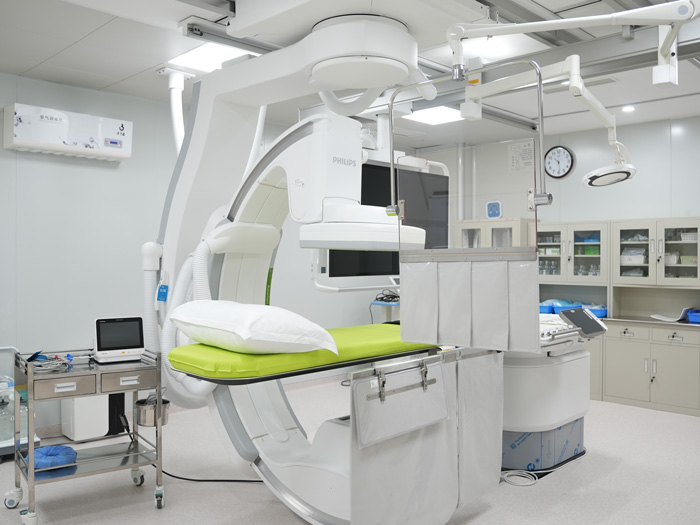
Philips / Siemens digital flat-panel angiography system
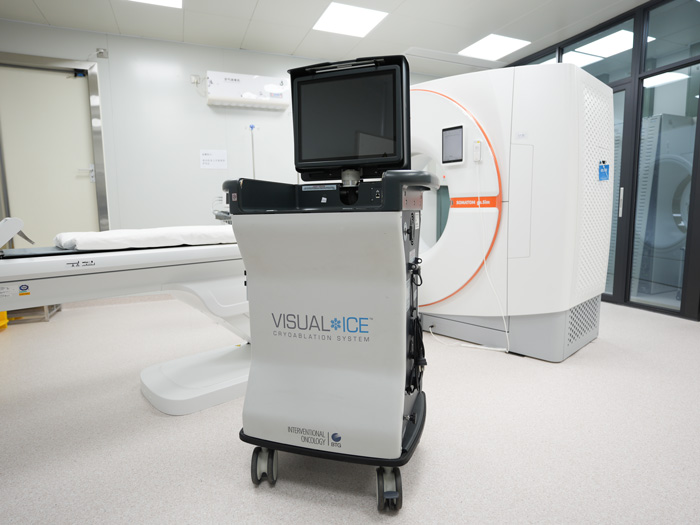
Ultra-low-temperature cryosurgery system
Iodine-125 seed implantation interstitial radiotherapy planning system
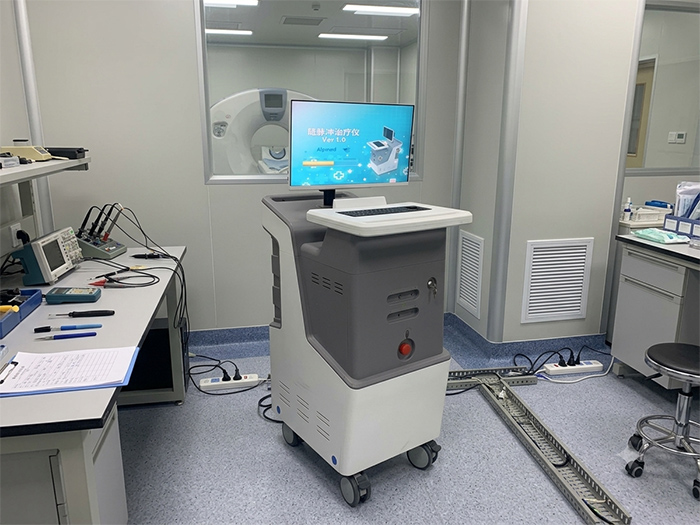
NanoKnife (irreversible electroporation)
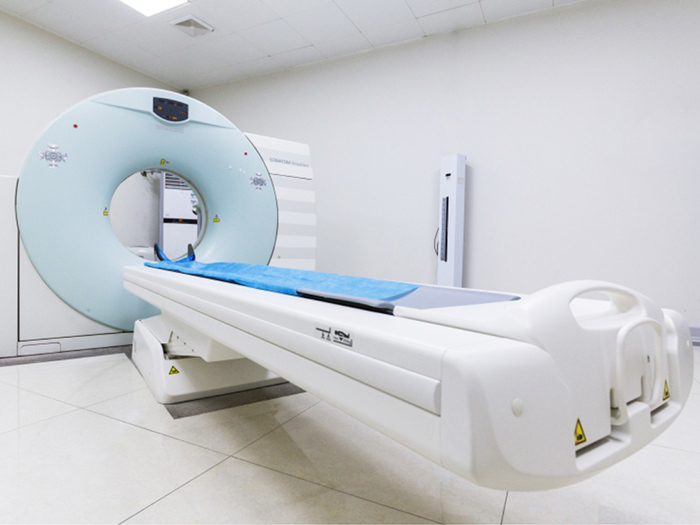
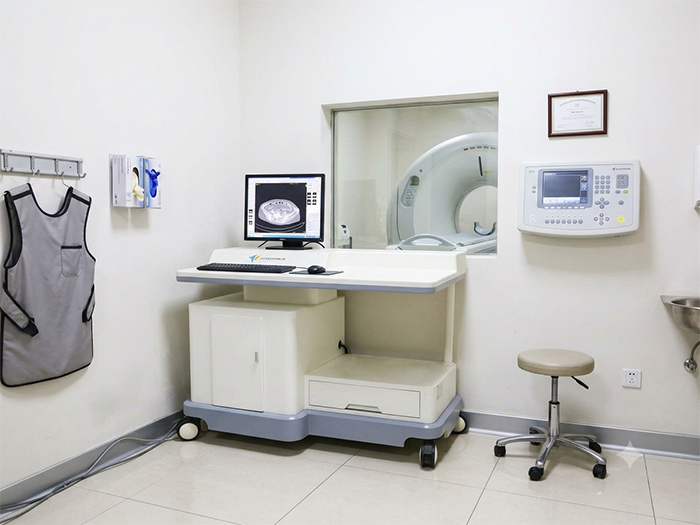
Siemens 32-slice / 64-slice large-aperture interventional CT
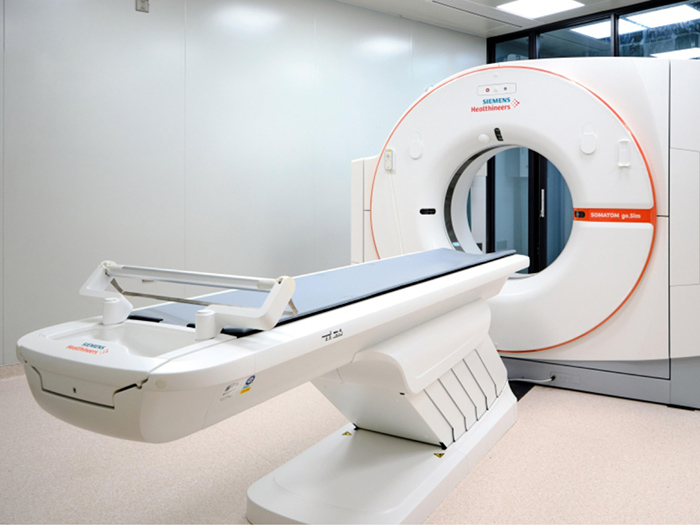
Siemens 64-slice / 128-slice spiral CT
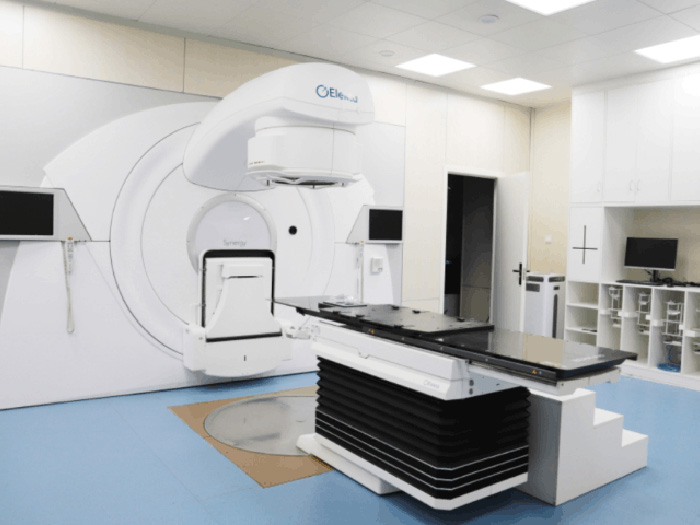
Linear accelerator
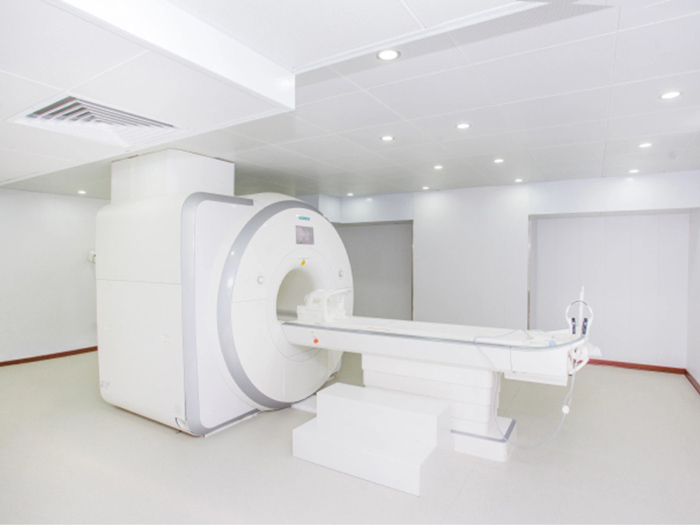
Magnetic resonance imaging (MRI)
Connecting You with China's Top Oncology Experts
A top-level system for cancer prevention, diagnosis, and treatment

Authoritative Experts
We bring together senior experts in China's oncology minimally invasive intervention and radiotherapy fields, each with more than 40 years of clinical experience. Having led interventional departments at China's top hospitals, they draw on experience from nearly 1,000,000 surgeries to build an internationally advanced minimally invasive treatment system.
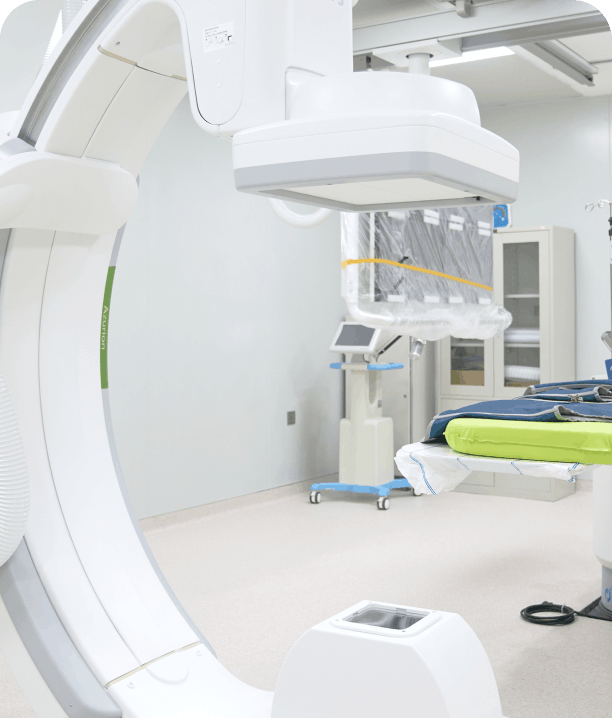
Precision Diagnosis
We integrate cutting-edge minimally invasive technologies with molecular pathology testing to deeply examine tumor-cell target sensitivity and immune pathway characteristics, creating a clear evidence-based path for subsequent treatment.

Personalized Treatment
Based on tumor size, location, stage, and each patient's physical and psychological condition, we provide comprehensive personalized plans that combine interventional minimally invasive therapy, chemotherapy, radiotherapy, targeted therapy, and immunotherapy for coordinated treatment.
Multidisciplinary Treatment Team (MDT)
Building a care network through seamless collaboration
Minimally invasive oncology specialists, pathologists, radiologists, laboratory experts, and clinical pharmacists each contribute their expertise to develop optimal diagnosis and treatment strategies for patients. Pathologists use fine-needle aspiration techniques to reveal pathology with precision, while the multidisciplinary team pools insight to tailor recommendations and examination plans for every patient.
Details 
MDT Team
Bringing together senior experts in China's precision minimally invasive cancer treatment field to provide you with world-leading minimally invasive cancer treatment services.
More Doctors


Patient stories
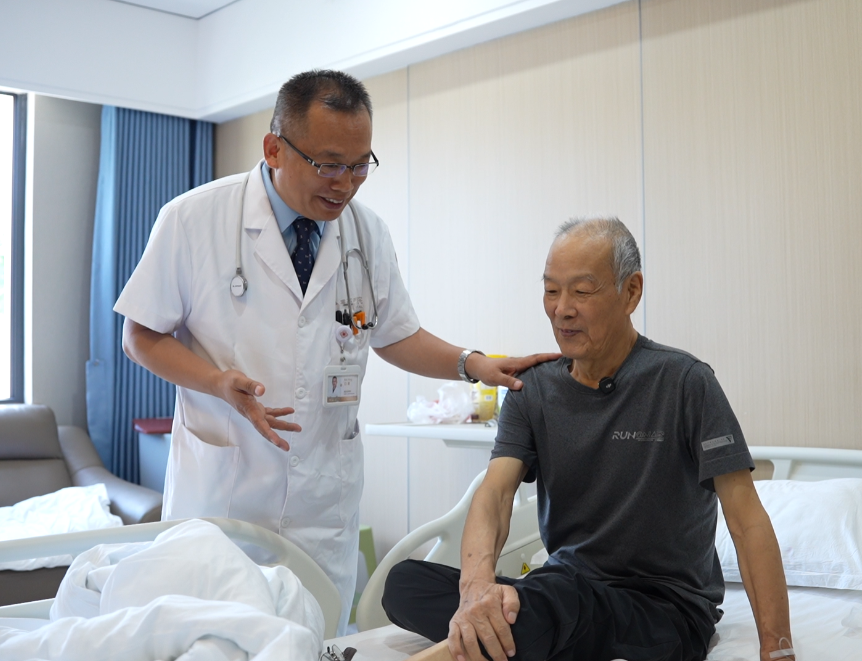
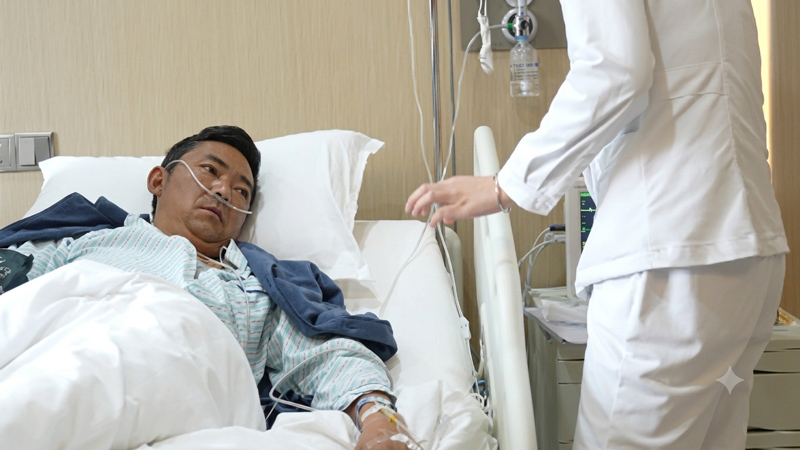
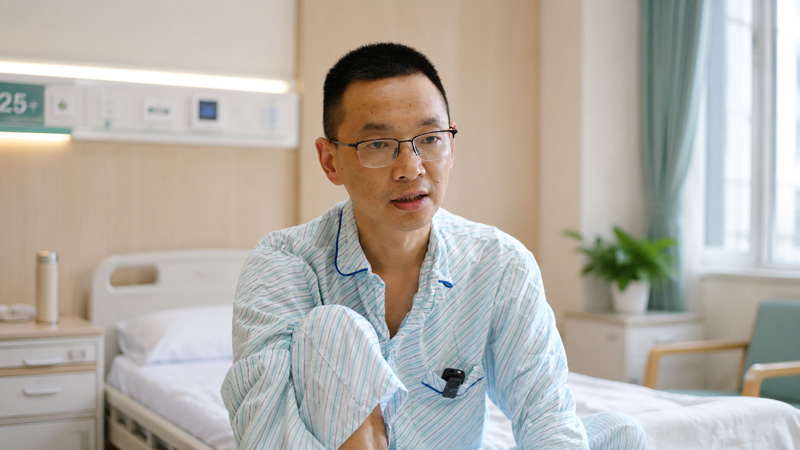
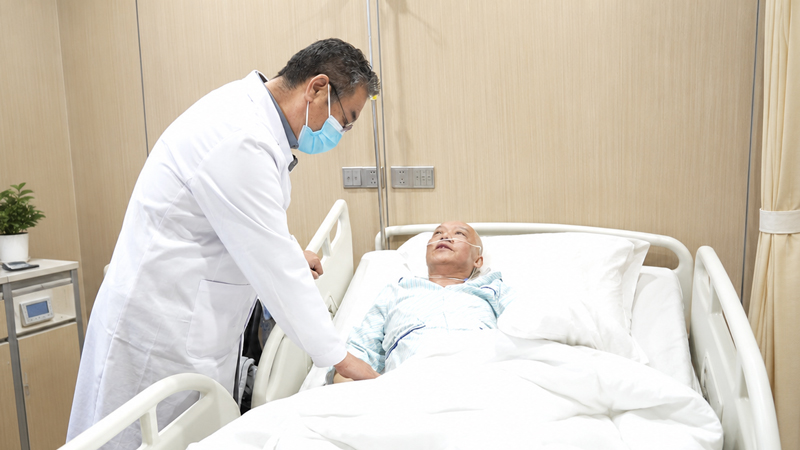
At UNI-ASIA Cancer Hospital, every journey in search of care is marked by courage and hope, and every story bears witness to doctors and patients working together to overcome disease.
More Cases